Protect What Matters Most
ALPHA STRUCTURE GROUP offers advanced fire fighting solutions tailored to residential, commercial, and industrial needs. From design and installation to maintenance, we ensure your property meets all fire safety standards.
ALPHA STRUCTURE GROUP offers advanced fire fighting solutions tailored to residential, commercial, and industrial needs. From design and installation to maintenance, we ensure your property meets all fire safety standards.
FIRE FIGHTING: - is a crucial aspect of building safety that involves a combination of systems, equipment, and protocols designed to detect, control, and extinguish fires effectively. It plays a vital role in protecting human lives, property, and critical infrastructure from fire hazards. FIRE FIGHTING systems include a range of components such as fire alarms, smoke and heat detectors, fire extinguishers, hydrants, sprinkler systems, hose reels, and advanced suppression systems like clean agents or CO₂. These systems can be either manual or automatic, ensuring immediate response in case of a fire emergency.
Automatic fire detection and alarm systems provide early warning, while suppression systems help control the fire before it spreads. Manual systems, including hose pipes and fire extinguishers, enable first responders and trained personnel to tackle small fires efficiently. Smoke and heat ventilation systems further aid in safe evacuation and reduce smoke accumulation. Regular maintenance and inspection through Annual Maintenance Contracts (AMC) ensure system readiness at all times. FIRE FIGHTING is also closely tied to legal compliance, with mandatory codes and standards enforced by local fire authorities. Properly installed and maintained FIRE FIGHTING systems not only reduce the risk of catastrophic loss but also in still confidence in occupants regarding their safety.
1. FIRE ALARM AND DETECTION SYSTEMS
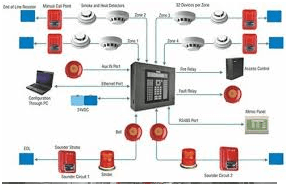
Fire Alarm and Detection Systems are critical safety components designed to detect and alert occupants of fire or smoke presence at the earliest stage. These systems help in minimizing property damage, ensuring timely evacuation, and enabling quick emergency response.
Key Components:
• Smoke Detectors (ionization, photoelectric)
• Heat Detectors (fixed temperature, rate-of-rise)
• Manual Call Points (break glass units)
• Alarm Sounders and Sirens
• Control Panel (system brain that monitors and manages signals)
• Visual Indicators (strobe lights for hearing-impaired zones)
Types of Systems:
• Conventional Systems – Ideal for small buildings, they divide the area into zones.
• Addressable Systems – Used in large buildings, where each device has a unique ID for precise location identification.
• Wireless Systems – Used in heritage or temporary buildings to avoid wiring.
• Benefits:
• Early detection and warning
• Reduces fire damage
• Supports emergency response and evacuation
• Enhances life safety compliance with fire codes
2. HYDRANT AND SPRINKLER SYSTEMS
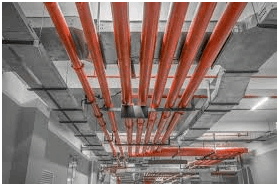
Hydrant and Sprinkler Systems form an essential part of active fire protection in residential, commercial, and industrial buildings. They are designed to control, suppress, or extinguish fires, providing both manual and automatic fire-fighting solutions.
________________________________________
A. Hydrant System
A Fire Hydrant System is a manually operated system designed to deliver a strong stream of water to the fire site.
Components:
• Fire Pumps (main and jockey)
• Fire Hose Reels
• Landing Valves / Hydrant Valves
• Hose Pipes and Nozzles
• Fire Brigade Connection Inlets
• Water Storage Tank
Benefits:
• Allows fire personnel to access water at various points
• High water discharge capacity
• Suitable for external and internal fire fighting
B. Sprinkler System
A Fire Sprinkler System is an automatic fire suppression system that discharges water when a fire is detected.
Types:
• Wet Pipe System – Most common, pipes always filled with water
• Dry Pipe System – Pipes filled with pressurized air, water flows when air is released
• Deluge System – All sprinklers open; activated by a separate detection system
• Pre-action System – Similar to dry pipe, requires two triggers (detection + heat)
• Key Components:
• Sprinkler Heads
• Control Valves
• Pressure Gauges
• Alarm Valves
• Water Supply and Pump Set
Benefits:
• Automatic fire suppression
• Immediate response, even without human intervention
• Minimizes fire spread and damage
• Reliable and cost-effective over time
3. FIRE EXTINGUISHERS AND SUPPRESSION SYSTEMS
Fire Extinguishers and Suppression Systems are frontline defense tools for controlling or extinguishing small fires before they grow uncontrollable. They are vital for occupant safety and property protection in all types of buildings.
A. Fire Extinguishers
Portable devices used to combat different classes of fire in the early stages.
Types of Fire Extinguishers:
• Water (Class A) – For ordinary combustibles (paper, wood)
• Foam (Class A & B) – For flammable liquids and solids
• Dry Chemical Powder (ABC Type) – Versatile for Class A, B & C fires
• CO₂ (Class B & Electrical) – For flammable liquids and electrical fires
• Wet Chemical (Class F) – For cooking oils and fats
• Key Features:
• Easy to operate
• Requires regular inspection and refilling
• Wall-mounted or trolley-based
Benefits:
• Immediate fire control
• Minimizes fire spread
• Ideal for quick-response scenarios
B. Fire Suppression Systems
Automatic systems designed to detect and suppress fire without human intervention. Often used where water could cause damage or is ineffective.
Types of Suppression Systems:
• Clean Agent Systems (FM-200, NOVEC 1230) – Safe for electronics and human exposure
• CO₂ Systems – High-efficiency, used in unoccupied areas
• Foam Systems – For flammable liquid hazards
• Dry Chemical Systems – For industrial fire hazards
• Water Mist Systems – Fine mist minimizes water damage
• Applications:
• Server rooms, control rooms
• Industrial and commercial kitchens
• Electrical panels, data canters
Benefits:
• Fast activation and suppression
• Low collateral damage
• Environmentally friendly options available
4. SMOKE AND HEAT VENTILATION SYSTEMS
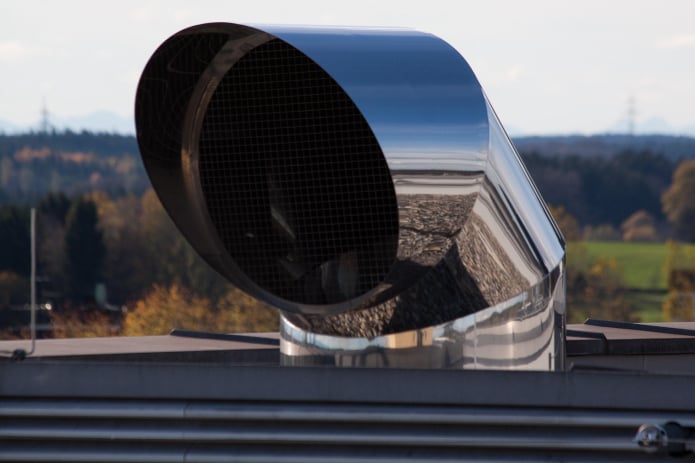
Smoke and Heat Ventilation Systems (SHVS) are critical safety installations designed to extract smoke, heat, and toxic gases during a fire, improving visibility and air quality for evacuation and firefighting operations. These systems help in preserving structural integrity and reducing fire damage.
Purpose and Function:
• Facilitate safe evacuation by keeping escape routes smoke-free
• Assist fire services in locating and extinguishing the fire
• Delay or prevent flashover and structural collapse
• Limit smoke and heat spread within the building
Types of Systems:
A. Natural Ventilation Systems
• Use vents, louvres, or windows to release smoke through buoyancy and wind pressure
• Often located at high points in stairwells, atriums, and corridors
B. Mechanical Ventilation Systems
• Employ powered fans, ducts, and dampers to extract smoke forcefully
• Suitable for large or enclosed spaces like basements, underground parking, and high-rise buildings
Key Components:
• Smoke vents (automatic or manual)
• Roof-mounted ventilators
• Extraction fans and shafts
• Fire-resistant dampers and control panels
• Temperature and smoke sensors
Benefits:
• Enhances life safety by reducing smoke inhalation risk
• Improves firefighter visibility and operational efficiency
• Minimizes secondary fire damage caused by smoke and heat
• Complies with international fire safety codes and standards (like NFPA, EN 12101)
5. AMC & COMPLIANCE SUPPORT
AMC & Compliance Support ensures the continuous functionality, reliability, and legal adherence of fire safety systems through scheduled maintenance and regulatory documentation. It is essential for building safety, insurance validity, and statutory compliance.
A. Annual Maintenance Contract (AMC)
AMC covers the periodic inspection, testing, servicing, and replacement of fire protection systems to maintain their optimal performance.
Scope of AMC Services:
• Regular preventive maintenance visits (monthly, quarterly, or annually)
• Testing of all fire safety equipment (alarms, extinguishers, pumps, panels, detectors, etc.)
• Refilling and pressure checking of fire extinguishers
• Replacement of worn-out parts
• 24/7 emergency support
Benefits:
• Prolongs equipment life
• Minimizes system failure risk
• Ensures operational readiness during emergencies
• Reduces costly repairs due to preventive care
B. Compliance Support
Ensures the building adheres to local fire safety codes, guidelines, and legal requirements as mandated by fire departments and statutory authorities.
Services Include:
• Fire safety audits and system assessments
• Documentation and report generation
• Liaison with government and fire departments
• Assistance in obtaining and renewing Fire NOC
• Upgrades to meet revised code standards (e.g., NBC, NFPA)
Benefits:
• Legal peace of mind
• Avoids penalties or shutdowns
• Ensures insurance eligibility
• Enhances safety reputation for tenants and occupants
6. WATER HOSE PIPE
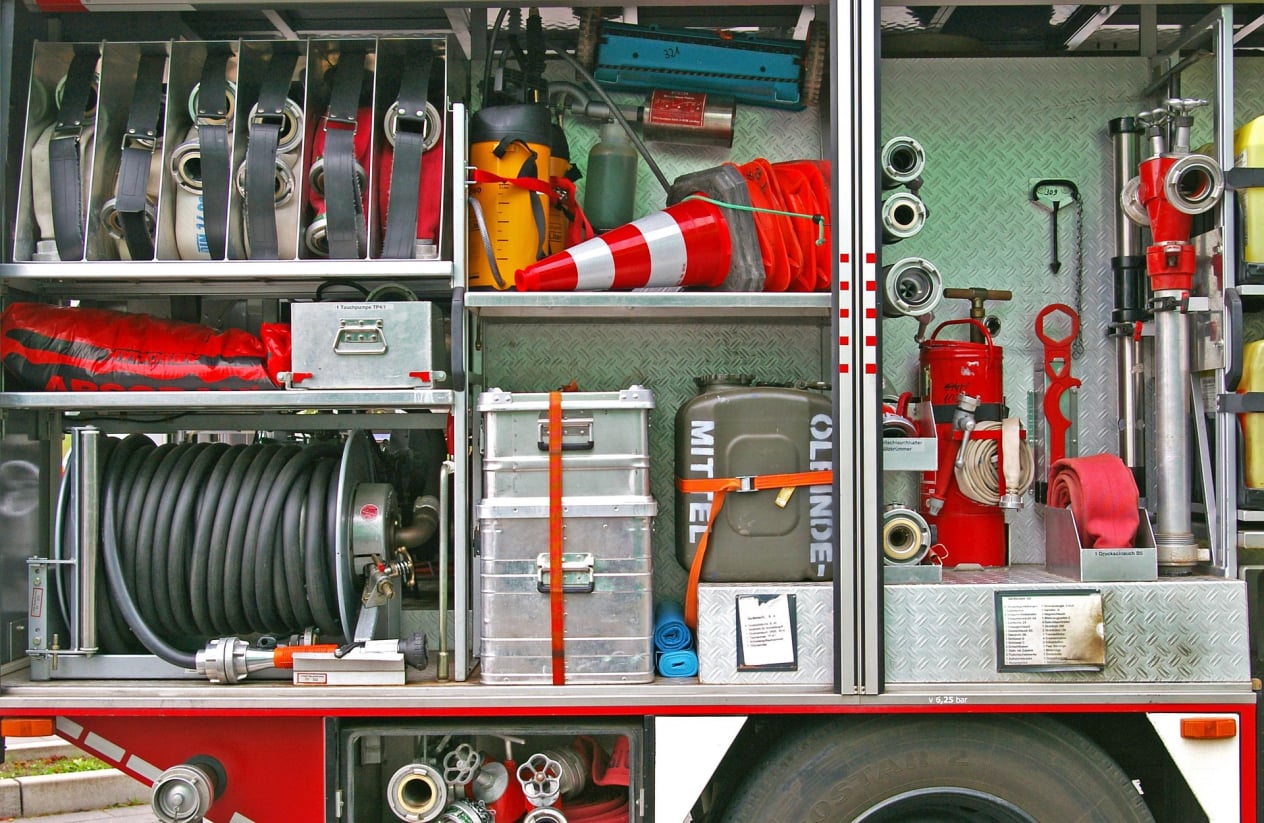
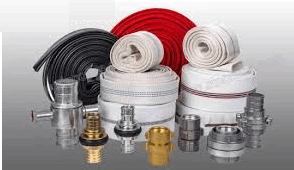
A Water Hose Pipe is a flexible, high-pressure tube used in fire protection systems to deliver water from a hydrant or hose reel to the fire. It is a key component in manual firefighting, allowing responders to direct a concentrated stream of water to the source of the fire.
Types of Fire Hose Pipes:
1. Delivery Hose:
• Carries water from pump or hydrant to the nozzle
• Reinforced with synthetic fibres or rubber
• Available in single or double-jacketed variants
2. Suction Hose:
• Used to draw water from static sources (e.g., tanks, ponds)
• Thick, rigid hose with a smooth inner lining
3. First Aid Hose Reel (Rubber Hose):
• Mounted on walls for quick use during small fires
• Operated manually with a nozzle for flow control
Standard Specifications:
• Diameter: 38 mm (1.5"), 50 mm (2"), or as per IS:636 standards
• Length: Typically, 15 to 30 meters per coil
• Material: Reinforced rubber, PVC, canvas, or synthetic jacket
• Pressure Rating: Designed to withstand up to 10–15 bar
Key Components:
• Couplings: For connection to hydrants or nozzles (usually instantaneous type)
• Nozzles: Adjustable spray or jet-type nozzles for water direction and control
• Hose Box or Drum: For proper storage and easy deployment
Benefits:
• Quick deployment in fire emergencies
• Flexible and easy to manoeuvre
• High durability and pressure resistance
• Essential part of fire hydrant systems


where cutting-edge design, engineering excellence, and reliable execution come together to create smarter, safer, and more inspiring spaces for residential, commercial, and industrial needs.